
The Long Road to Free Transfers ✅
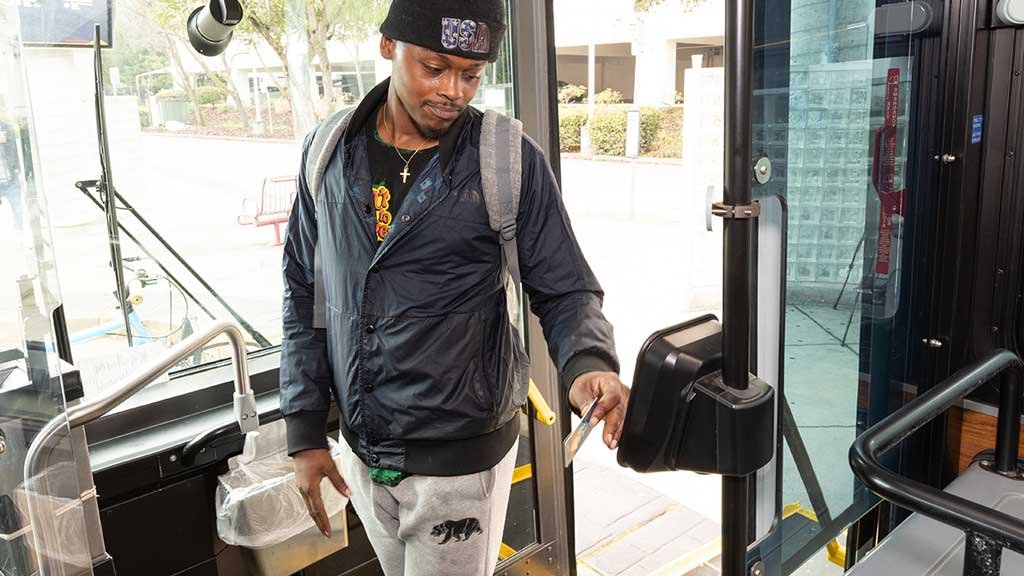
Rider tagging on to County Connection (Photo: County Connection)
As of December 10th, 2025 Bay Area transit riders no longer need to pay extra when they transfer between two or more agencies.
Whether you’re taking the bus to BART, Caltrain to VTA, the ferry to SMART, Caltrain to BART, or any other combination of transit trips involving the dozens of transit agencies in the Bay Area – you’ll now get $2.85 off the fare (up to the amount of a local fare) for each transfer made within two hours of their first tap. A rider who makes a trip with one transfer, twice a day, five days a week, saves well over $1,000 per year.
Check out this Clipper 2.0 Savings Calculator we created to help you see how much you can save on your commutes or other trips that use multiple agencies.
This is a big moment worth celebrating! Getting to this moment took nearly a decade of advocacy. In this post, we’ve compiled a summary of the years’ long battle that led to this victory - but also some remaining issues that still aren’t resolved, and where rider advocacy will be needed to make this long-awaited improvement permanent and as impactful as possible.
Timeline of Free and Reduced Transfers
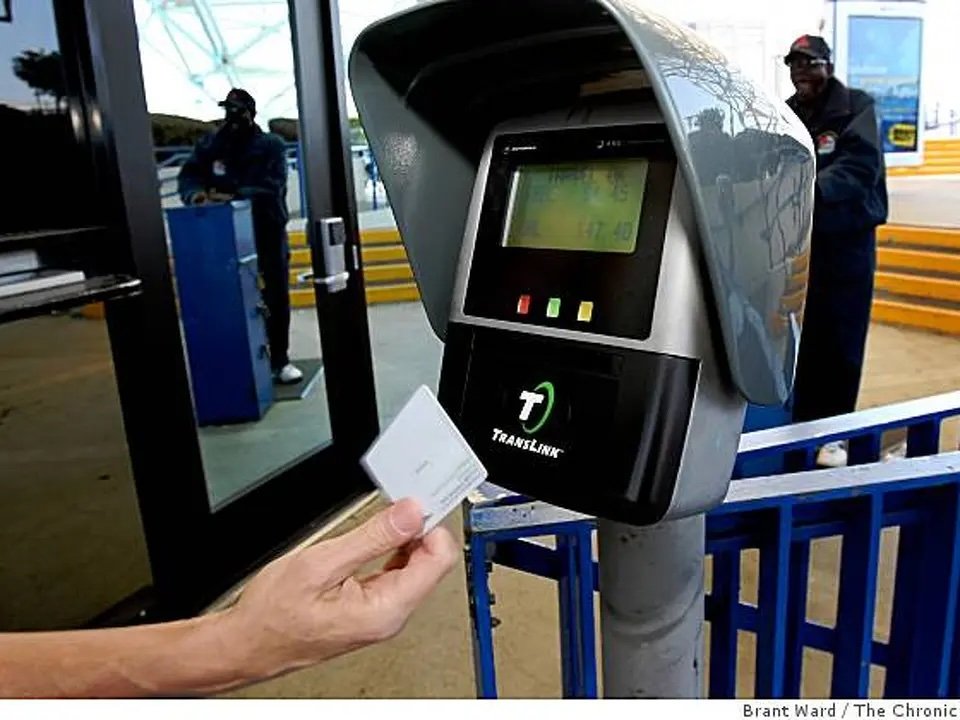
First generation Clipper was originally called TransLink
2002-2017: Launch and expansion of first generation of Translink/Clipper farecard across the Bay Area, reaching 24 agencies as of early 2017.
March 2, 2004: Bay Area voters approve Regional Measure 2, a bridge toll increase, which included $1.5 million in funding for an “Integrated Fare Program” to study fare integration, with a focus on making it ‘less costly for transit riders to use multiple transit systems’.

Excerpt from Regional Measure 2 Expenditure plan
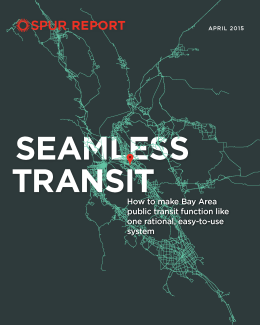
Cover of SPUR’s 2015 Report, Seamless Transit
April 2015: SPUR publishes the “Seamless Transit” report, calling for standardized fare policies across the region, in addition to other policies that integrate transit service and boost ridership.
September 2015: Groups like SPUR, Friends of Caltrain, and TransForm, call for fares to be integrated before procuring the next generation Clipper system to promote more innovation and competition.
2017: Anticipating the end of the operating contract for the first generation Clipper system in November 2019, MTC begins preparing for the procurement for the next contract to operate the system by conducting public outreach to transit riders. A key theme of public feedback is that transit riders would like a regional fare policy “that provides discounts for use across multiple transit agencies". MTC chooses to proceed with the procuring the next generation of Clipper without simplifying fares.
July 2017: Initial meetings among advocates at several Bay Area transit advocacy organizations, as well as staff at Bay Area transit agencies, about the opportunity to advance fare integration. These conversations catalyze the founding of Seamless Bay Area.
Early 2018: Seamless Bay Area officially launches with a website and social media accounts, with integrated fares as core to the vision of a world class, seamless system.
June 2018: As part of Plan Bay Area 2050, the region’s long-range transportation plan, MTC issues ‘request for transformational projects’, inviting any group to submit transformational proposals for evaluation of inclusion. Seamless Bay Area and SPUR both submit proposals for integrated fares to be evaluated.
September 2018: MTC and the Clipper Executive Board award a new $461 million contract for next generation Clipper system, or “Clipper 2.0”, to Cubic, the incumbent operator of Clipper and sole bidding team. The need to re-implement a complex fare system with 19,000 business rules contributed to the complexity and cost of the project.
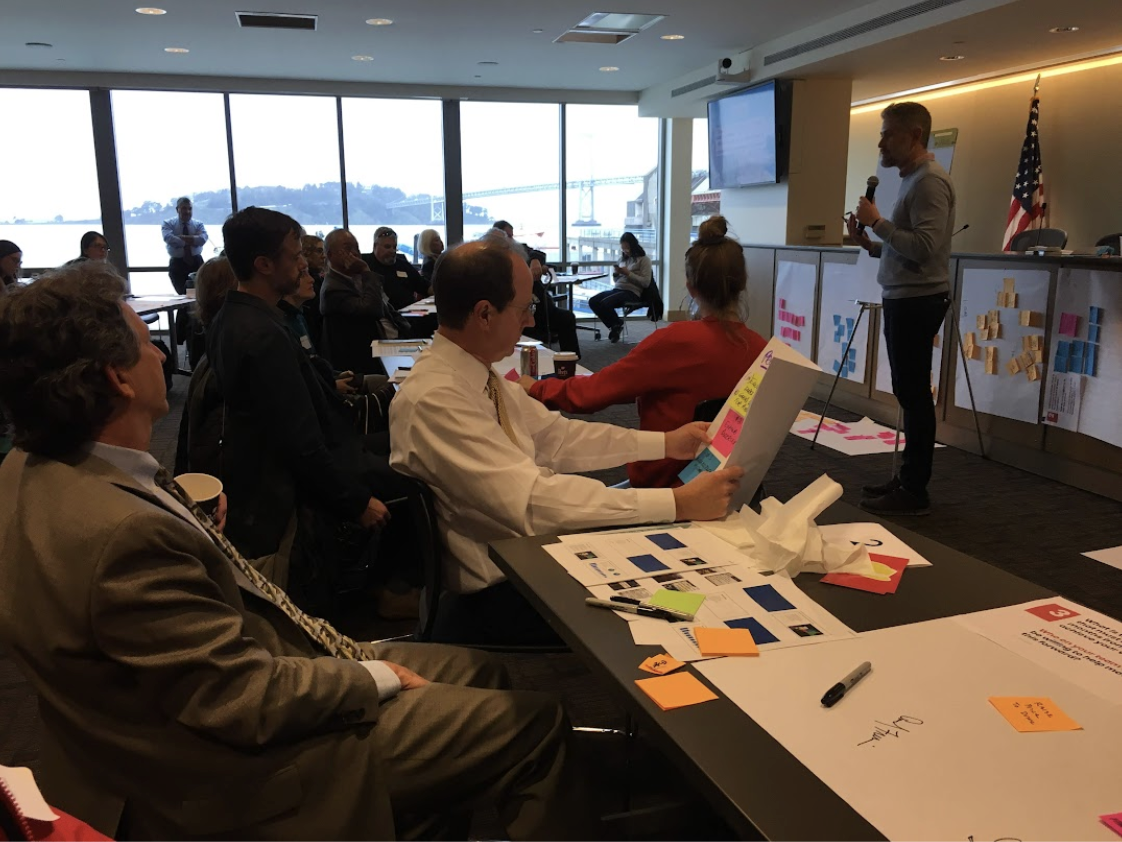
Fare Integration workshop at the Ferry Building in 2019 (this particular workshop table included then MTC Executive Director Steve Heminger and current MTC Executive Director Andy Fremier)
February 8, 2019: MTC hosts fare integration workshop at the Ferry Building, bringing together diverse stakeholders including Board members from different agencies, MTC commissioners, advocates and staff. The workshop included a professional facilitator and a guest presenter from Greater Toronto, which was advancing fare integration thanks to a business case study. A recommendation of the workshop is to conduct a business case for Bay Area Fare integration.
June 17, 2019. Following up on the workshop, MTC staff brings a proposal to move forward a business case to study fare integration to the Clipper Executive Board. In spite of advocacy and riders speaking up in support, general managers from nearly all agencies express concerns about lost fare revenue, and do not approve moving forward with the study.
June-October 2019: Seamless Bay Area launches campaign to build support for fare integration study among transit agency board members and staff, including petitions, letter writing from individuals, a joint letter from advocacy groups across the region, and spoken public comments at MTC and major transit agency board meetings.
July 2, 2019: Seamless Bay Area launches “Seamless Transit Principles”. Principle #4, Align Transit Prices to be Simple, Fair and Affordable, states that “fares should not punish riders for transferring.”
October 23, 2019: After staff bring forward a revised proposal to the Clipper Executive board recommending a revised fare integration study with joint project management from both MTC and transit agencies (represented by BART), MTC approves proceeding with a fare integration study.
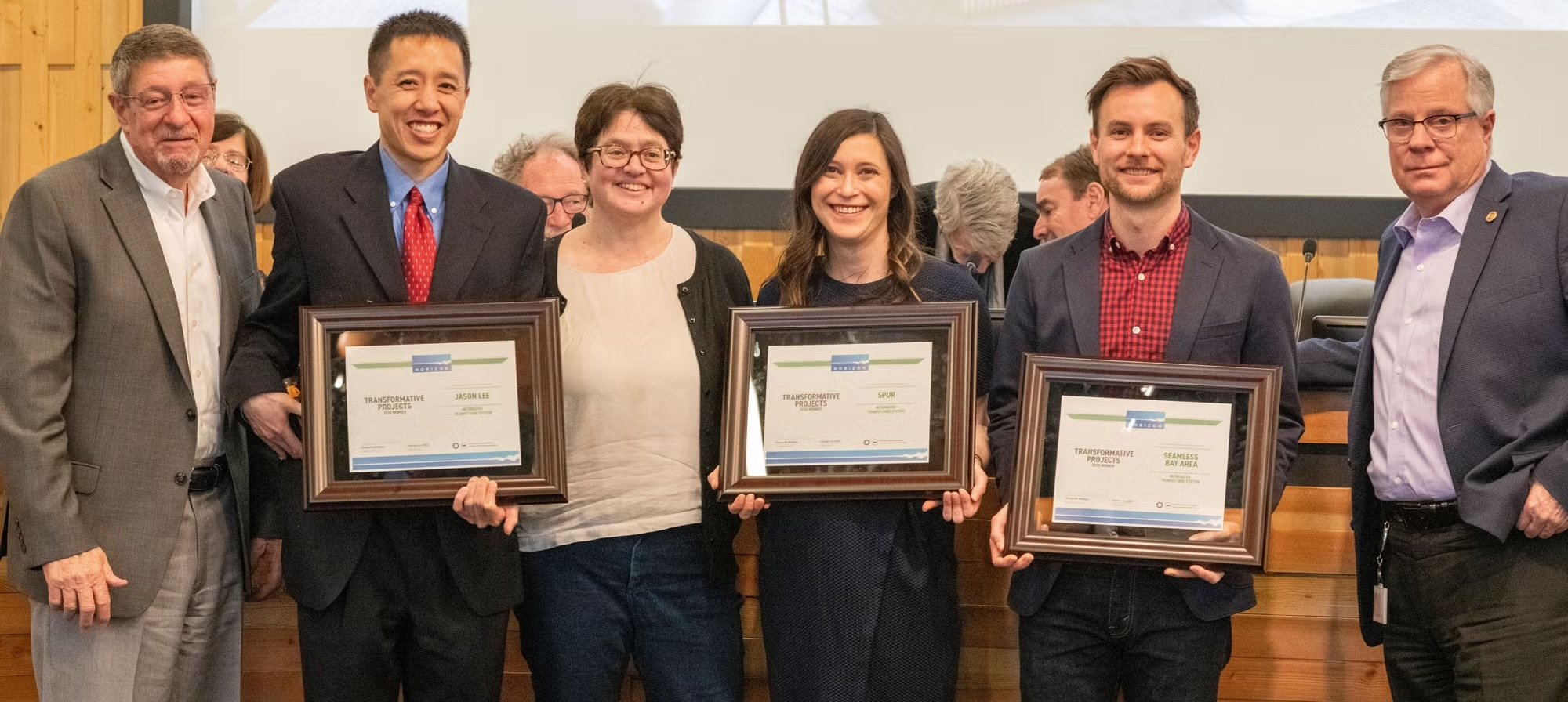
Fare integration wins the top prize in MTC’s Transformational Projects competition in early 2020.
February 12, 2020: Seamless Bay Area and SPUR’s submission of an “Integrated Fare structure” wins the top prize in MTC’s Transformational Projects competition, and is included in Plan Bay Area 2050.
March 2020: COVID-19 Pandemic
April 19, 2020: With transit ridership down by 80-90%, and given the tremendous disruption of the pandemic, Seamless Bay Area calls on MTC to make transfers free as a strategy to help build back ridership sooner.
May 7 2020: MTC convenes Blue Ribbon Task Transit Recovery Task Force
October 27, 2020: Seamless Bay area launches Integrated Transit Vision, including free transfers.
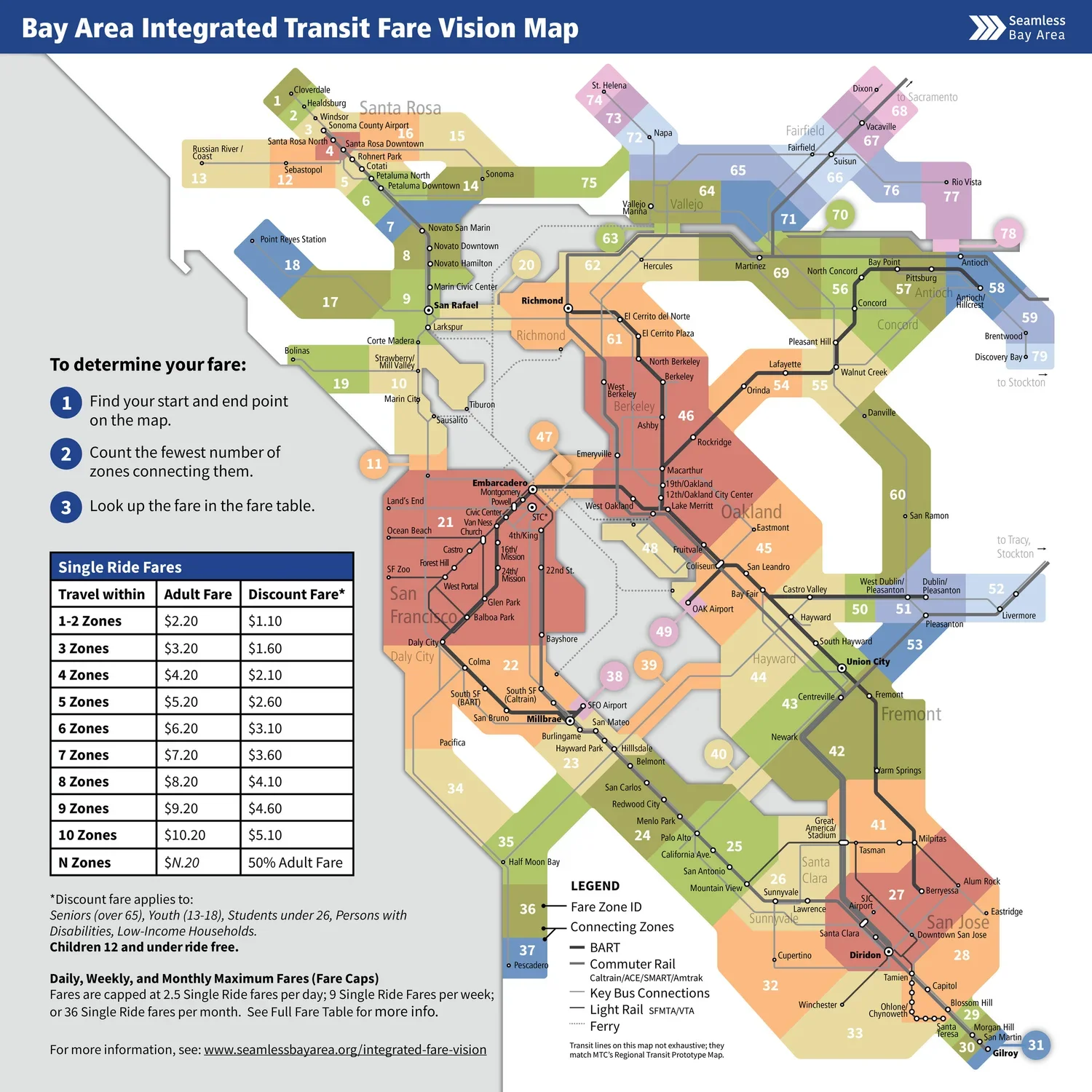
Seamless Bay Area’s Integrated Transit Fare Vision map. The vision map also included a fare calculator to help you determine the difference in your fare between the vision map and current fares.
March 24, 2021: Assemblymember David Chiu announced AB 629, the Seamless and Resilient Bay Area Transit Act, a bill to advance integration of the region's 27 transit systems.
July 2021: SF Bay Ferry reduces its fares by 7% to 30% to align fares with other public transit options. This change enabled significant numbers of new riders – including lower income riders – to use the ferry and to be able to choose the ferry when it's the right mode for a particular trip.
July 2021: MTC’s Blue Ribbon Task Force adopts Transit Transformation Action Plan, calling for integrated fares as a top priority.
September 12, 2021: Fare Integration study released initial modeling results showing likely ridership increases and equity benefits
November 15, 2021: Fare Integration Task Force votes in favor of the Fare Policy Vision that includes a pilot all-agency pass for organizations, free transfers, and standardized regional fares. Rather than launch free transfers immediately, staff recommends linking the rollout of the free transfers policy with the launch of the Clipper 2.0 system - which was then planned for late 2023, 2 years away.
November 21, 2022: Implementation of Clipper 2.0 system gets pushed back from late 2023 to 2024 – further pushing back the implementation of free and reduced priced transfers.
March 27, 2023: The Fare Integration Task Force votes to support the Free and Reduced Prices Transfer Policy to launch concurrently with Clipper 2.0 as a 18-24 month pilot program.
September 8, 2023: Clipper 2.0 rollout delayed to August 2024.
October 2024: Rollout of Clipper 2.0 is pushed back again to April 2025.
June 12, 2024: AC Transit approves intra-agency free transfers so riders won't pay twice when going between AC Transit buses. This change is tied to the delayed rollout of Clipper 2.0.
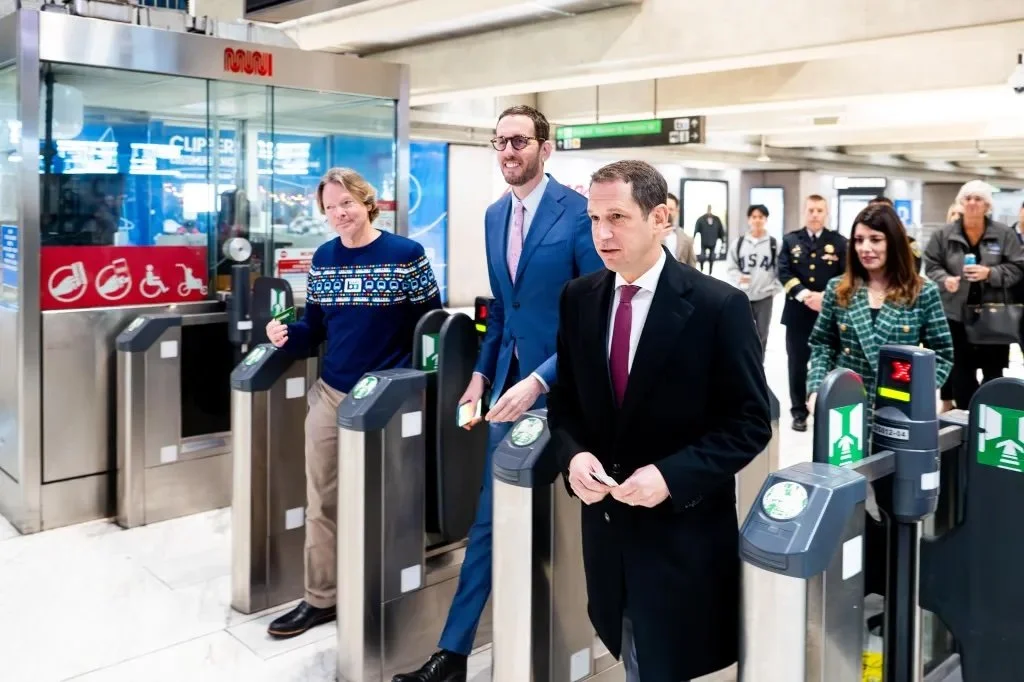
Press event from launch of Clipper 2.0 on December 10, 2025. Photo: Streetsblog/ Noah Berger.
December 10, 2025: Clipper 2.0 officially launches. Free and reduced priced transfers are automatically available to people paying with credit and debit cards. Clipper users can automatically upgrade their account by logging into the Clipper website, mobile app, or by phone to start receiving free and reduced price transfers. All Clipper users are expected to have their accounts migrated in batches to the new system within 8-12 weeks from launch (February and March of 2026).
December 11, 2025: Upon release, users and transit agencies report immediate issues with the new system including system performance, customer account access, migration of card value and fare products, BART and Muni vending machines, fare inspection devices, customer service terminals, discount card application processing, and financial settlement reporting. Bulk migration of Clipper accounts, which was planned to start in mid-December, is put on hold.
January 12, 2026: Over 500,000 Clipper cards are migrated to the new Clipper 2.0 system via on-demand migration through the Clipper website, mobile app, or by phone.
January 26, 2026: The Clipper Executive Board receives an update from Cubic on the issues with Clipper 2.0 implementation. Read our live reporting from the meeting.
June 2026: Cubic's committed timeline for completing the customer transition and decommissioning the legacy Clipper system.
Further advocacy is still needed
Many of the problems Cubic encountered upon launch were basic, predictable, and preventable failures that could have been avoided. Cubic, MTC, and transit operators are currently triaging critical issues and we will let you know if there are opportunities to speak up in the future.
Critically, people eligible for Youth, Senior/RTC, and START income-based discounts cannot yet get these discounts when paying their fares with credit, debit, and mobile wallet options. MTC has said they plan to offer the ability to link contactless payment with discounts, but do not yet have a scheduled date for this. Sign this petition to demand access to discounts when paying with credit/debit cards.
Conclusion
Despite the messy rollout of Clipper 2.0, the launch of inter-agency free/reduced priced transfers is a major step toward seamless transit and a big win for equity. Data shows that low-income people are more likely to make transfers and make multi-agency trips. Getting to this point took a lot of hard work over at least 7 years, including from riders and advocates, from policymakers, and from agency staff.
We need to keep up this steady stream of improvements for riders as we mobilize around a Bay Area regional ballot measure in November 2026.
Our campaign for better Bay Area transit is focused on a positive vision of the future - free transfers serve as proof that we are capable of great things if we work together and put customers first.
Sign up here to get our blog posts sent directly to your email.