
Vote by California regulators puts at risk billions in public transit and affordable housing funding.
On Friday, May 29th, the California Air Resources Board (CARB) voted on a change to the Cap-and-Invest program that could mean $2 billion per year in lost funding for public transit, affordable housing, clean air, clean water, and other programs.
Not only will this decision put in jeopardy essential transit operations funding, capital projects, and equitable fare programs, but it does so to subsidize major corporations and give them greater access to pollute our environment.
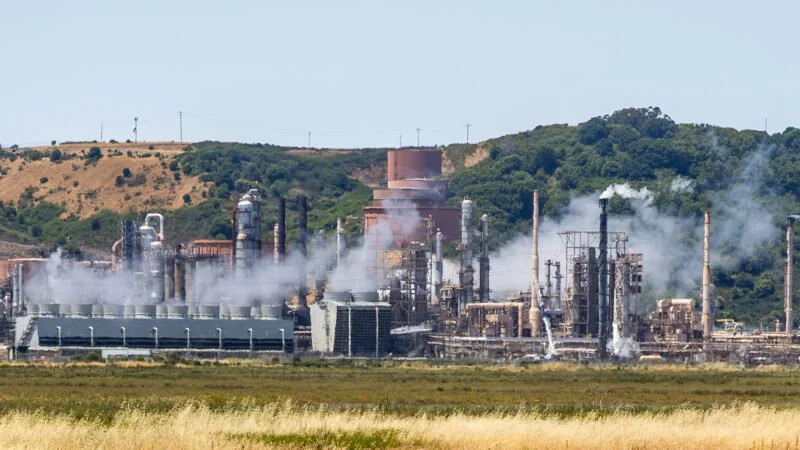
This decision poses a major blow to California's ability to fight climate change and make the state a more affordable place to live. Funding for public transit and affordable housing near frequent transit is critical, as transportation accounts for the largest source of pollution in the state and second highest cost for Californians after housing.
But the fight is not over, as a coalition of organizations and state legislators opposed to the change are preparing to bring the fight for this critical funding to the upcoming state budget and legislative process.
Please call Governor Newsom and key elected officials urging them to fully fund transit, affordable housing, and climate programs.
We thank CARB Board Members Lynda Hopkins, Diane Takvorianan, Gladys Limón, and Paula Stigler-Gradados for voting against the amendments to the Cap-and-Invest program that will gut billions in transit, affordable housing, and clean energy programs.
Read on to learn more about the Cap-and-Invest program, why the new decision threatens transit funding, and what we've done to push back against the cuts.
Cap-and-Invest is a key to reaching California's climate goals
The Cap-and-Invest Program, formerly known as Cap-and-Trade, is one of California's core efforts aimed at reducing greenhouse gas emissions. The program sets a "cap” on the amount of greenhouse gases major companies are allowed to emit through the issuance of “allowances” – essentially a permit to emit one ton of carbon dioxide equivalent. That cap lowers every year, with large corporations able to buy, sell, and trade allowances in order to emit more pollution.
The idea is that as the number of allowances decreases, the cost to pollute (and purchase allowances) becomes more expensive, encouraging long-term investments in cleaner, more energy-efficient technologies. About 75% of the state's greenhouse gas emissions are regulated under Cap-and-Invest, with companies like oil refineries, electricity generators, importers, and manufacturing facilities included.
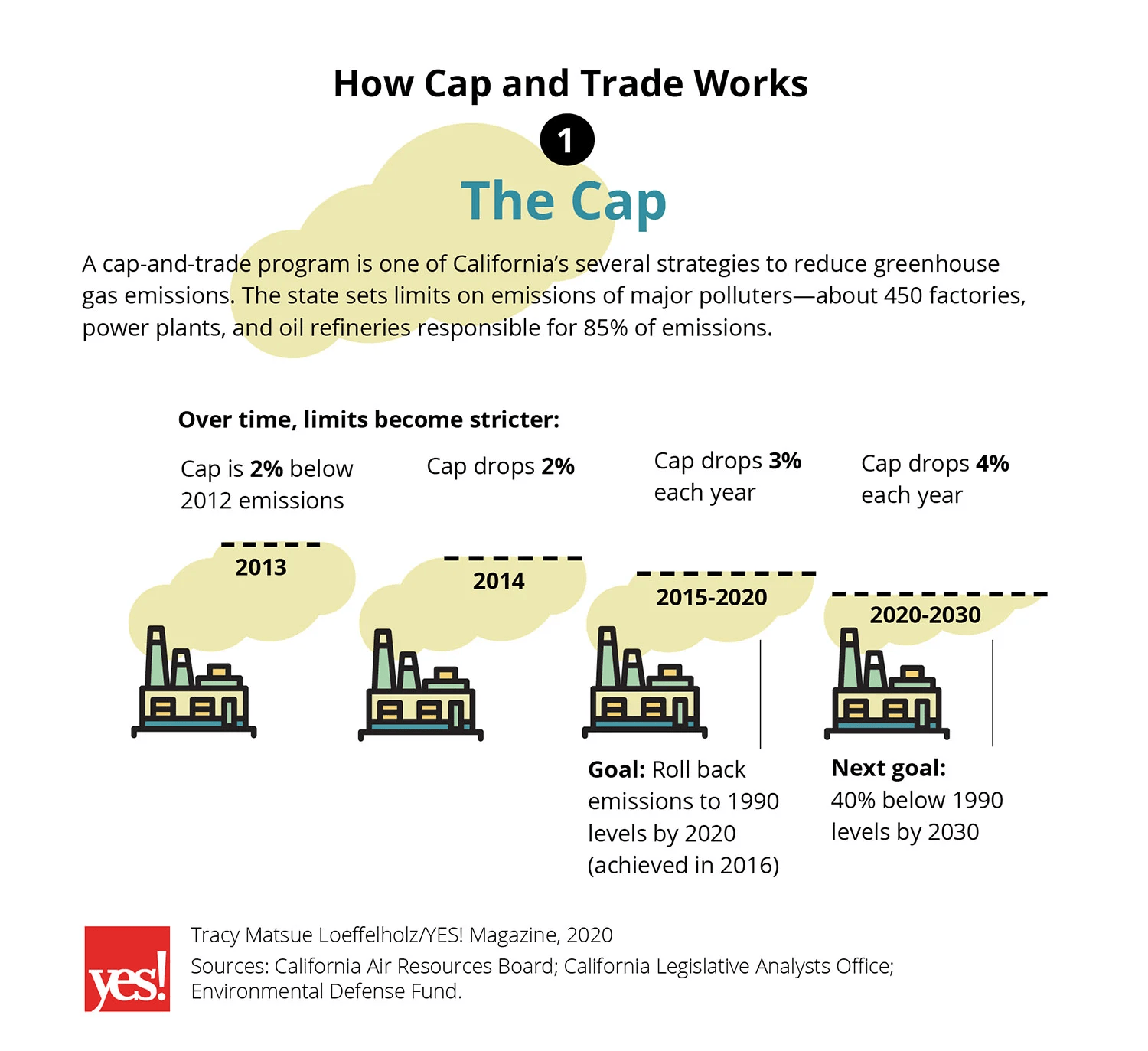
Revenues generated by California through the sale of allowances to major corporations go towards the Greenhouse Gas Reduction Fund (GGRF), which funds programs aimed at achieving climate goals and preparing for the climate crisis. This includes funding transit, affordable housing, clean air, clean water, and wildfire mitigation programs. Historically GGRF revenues have varied with annual revenues fluctuating between less than $1 billion to a high of over $5 billion over the last decade.
Changes to Cap-and-Invest after the 2025 reauthorization
The program had been set to expire in 2030 but was reauthorized last year under both AB 1207 (Irwin, 2025) and SB840 (Limón, 2025).
AB 1207 mostly made changes to the Cap-and-Invest program itself and the allocation of its allowances. For example, it extended the program through 2045. Additionally, it also gave CARB specific guidelines to meet to best safeguard Californians and our climate. Guidelines outlined also ensure that CARB protects customers from financial impacts, for example, from price increases during the switch to greener power.
SB 840 mostly made changes to the allocation of the associated GGRF revenues starting in the 2026-2027 fiscal year. Previously, funding was allocated on a percentage basis (say 10% going towards a given program) but SB 840 changes the funding allocation to absolute values (eg. $400 million annually).
GGRF funds are directed to various programs through a tiered approach. This has been the case both before and after reauthorization.
Tier 1: Priority funding. This includes a manufacturing tax exception and backfilling CalFire funding.
Tier 2: Second priority. This includes $1 billion annually for California High-Speed Rail and $1 billion for unspecified various programs up to the state legislature's discretion.
Tier 3: These programs get last priority, meaning they only get funding if there is enough GGRF revenues after Tier 1 and 2. These include programs for transit, affordable housing, clean air, clean water, wildfire mitigation, and more.
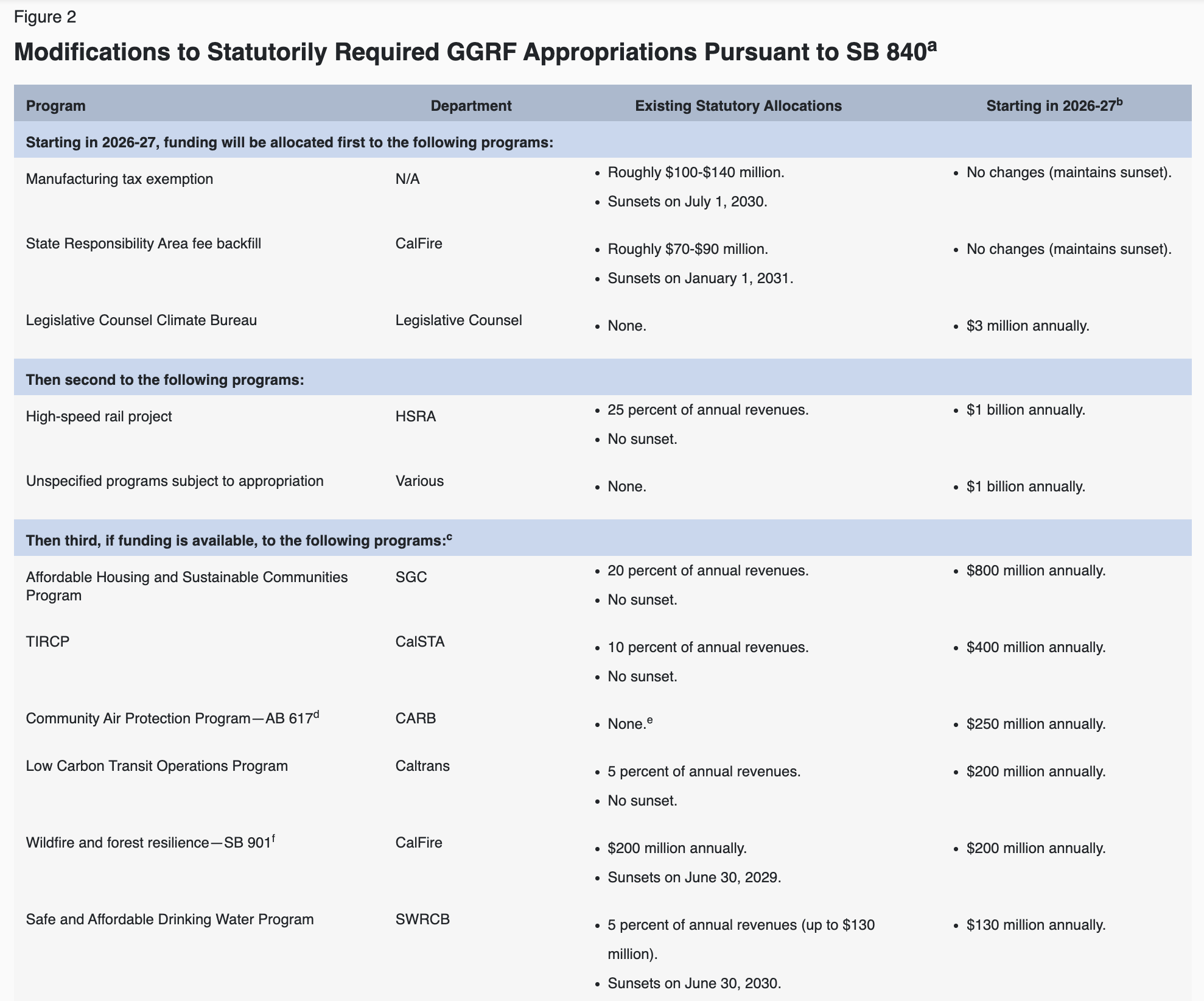
Where GGRF revenues go to (Source: Legislative Analyst's Office, Overview of New Updates to The Cap-and-Invest Program).
The CARB changes would significantly reduce the funding for GGRF, with CARB estimating a loss of $2 billion per year – about half the amount in recent years. This would not be enough funding to support Tier 2 programs and leave no funding for Tier 3 programs.
Funding loss results from CARB's approved amendments which create 118.3 million additional allowances to fund the Manufacturing Decarbonization Incentive (MDI), with about 50% of allowances reserved for refining and similar industries and the other 50% for other industries. (118.3 million allowances is the exact number to keep California on track to achieve our 2030 greenhouse gas emissions reductions target).
CARB's decision is intended to provide assistance to industries to encourage investments in decarbonization technologies and prevent "leakage” – to keep companies from moving their operations outside of California. But these additional MDI allowances are layered on top of already generous free allowances CARB gives to the industry. For example, before reauthorization, CARB already gave out roughly 37.5% allowances for free to electric and natural gas utilities in hopes of promoting cheaper energy bills for Californians through rebates known as the “California Climate Credit.”
Recent changes to Cap-and-Invest cuts public transit programs. This would mean less service, halting infrastructure upgrades, rolling back fare equity programs, and more
The two main transit programs at risk are the Transit and Intercity Rail Capital Program (TIRCP) and the Low Carbon Transit Operations Program (LCTOP).
The Transit and Intercity Rail Capital Program (TIRCP) could lose $400 million annually. This program funds capital improvements that modernize train, bus, and ferry transit systems. In the Bay Area, dozens of major programs rely on TIRCP funding such as:
SMART extension to Healdsburg and Geyserville.
Extending VTA light rail to the Eastridge Transit Center.
Transit Oriented Development at BART stations including Ashby, El Cerrito Plaza, Lake Merritt, North Berkeley, and West Oakland.
Purchasing BART's Fleet of the Future rolling stock.
Upgrades to the Transbay Tube so more trains can run.
Purchasing zero-emission buses for Marin Transit, WestCAT, SamTrans, Sonoma County Transit and battery electric ferries for SF Bay Ferry.
Transit Signal Priority projects in Contra Costa County, San Mateo County, and San Francisco so street-level transit runs faster and more reliably.
Funding for the Downtown Rail Extension bringing Caltrain and future high-speed rail service to the Salesforce Transbay Terminal.
Microtransit services in Cupertino, Richmond, Sunnyvale, and Santa Clara.
Critical upgrades to Muni’s train control system.
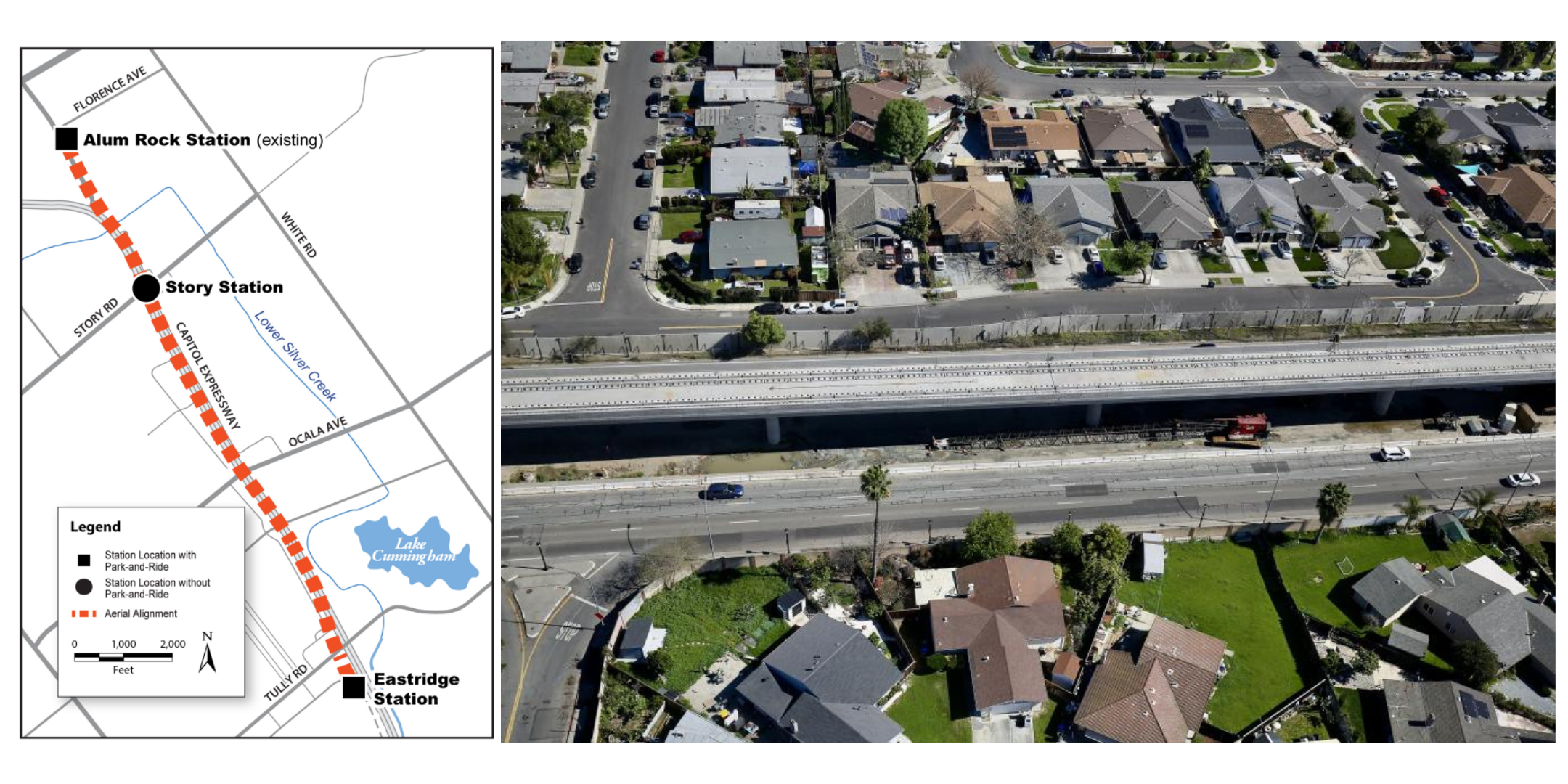
VTA's light rail extension to the Eastridge Transit Center is one of the dozens of Bay Area projects funding through TIRCP.
The Low Carbon Transit Operations Program (LCTOP) could lose $200 million annually. LCTOP funding has helped provide operations funding to run service, free and discounted fare programs, zero-emission vehicles, and more including:
Operations funding for AC Transit's Tempo, eBART, SMART and Caltrain.
Free and discounted fares on Muni and County Connection for people with disabilities and older adults, and free Muni for youth.
50% fare discounts through the Clipper START program.
Zero-emission buses and supporting infrastructure for Petaluma Transit, Santa Rosa City Bus, Tri Delta Transit, Marin Transit, Napa Valley Transit, SolTrans, VTA, Sonoma County Transit.
Zero emission ferries for SF Bay Ferry and Golden Gate Transit.
Advocates, elected officials, and transit agencies push back against changes
Seamless Bay Area joined a coalition of public transit, housing, and environmental advocacy organizations pushing back against the proposed changes.
On Memorial Day, we co-hosted an East Bay punk rockers put on a show and march with Transbay Coalition, Black Dahlia, and artists Fatale and Las Ratas to oppose the cuts.
Then on May 27th, we co-hosted a rally in San Francisco with environmental justice, affordable housing, and transit allies to stop CARB's proposed change.
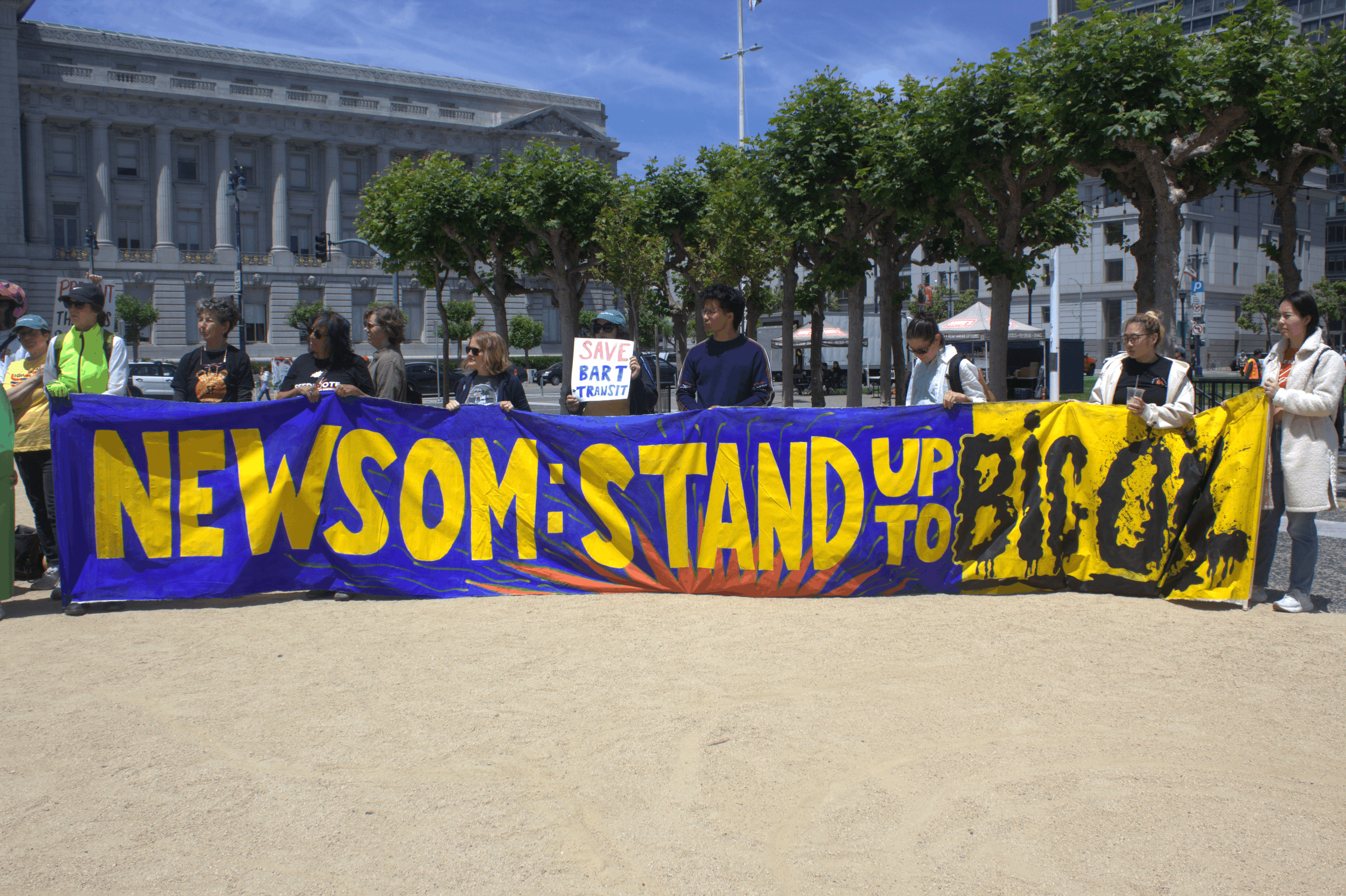
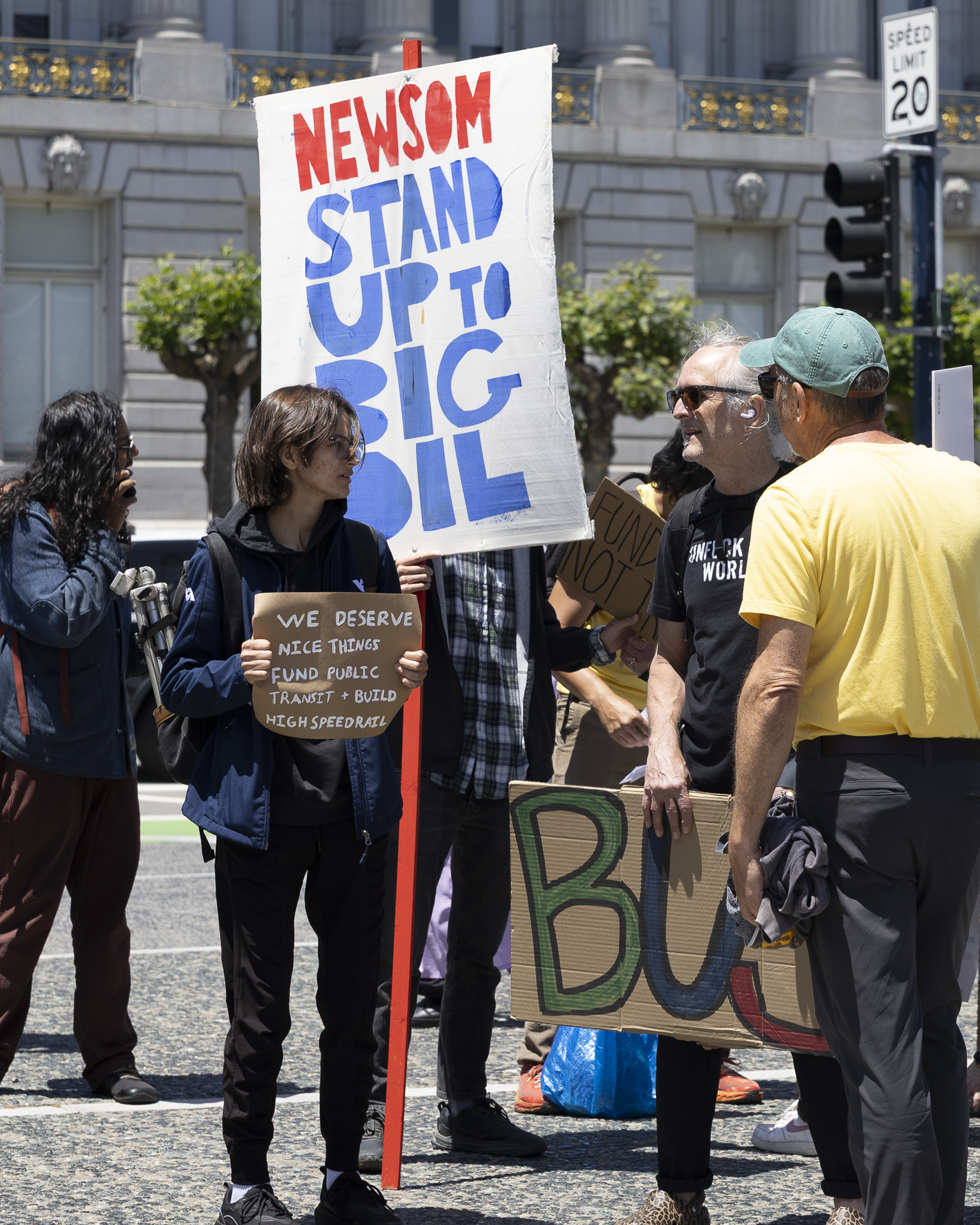
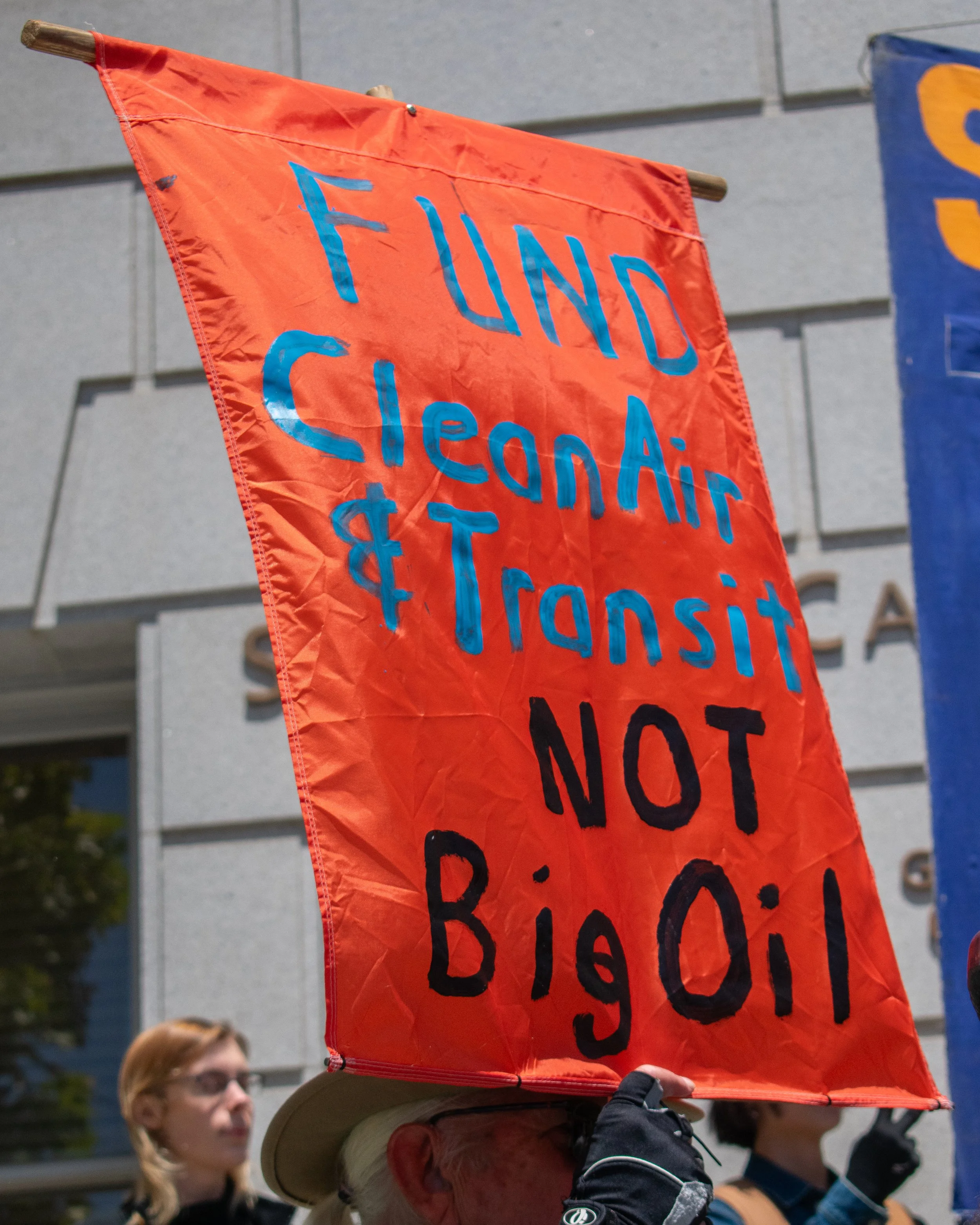
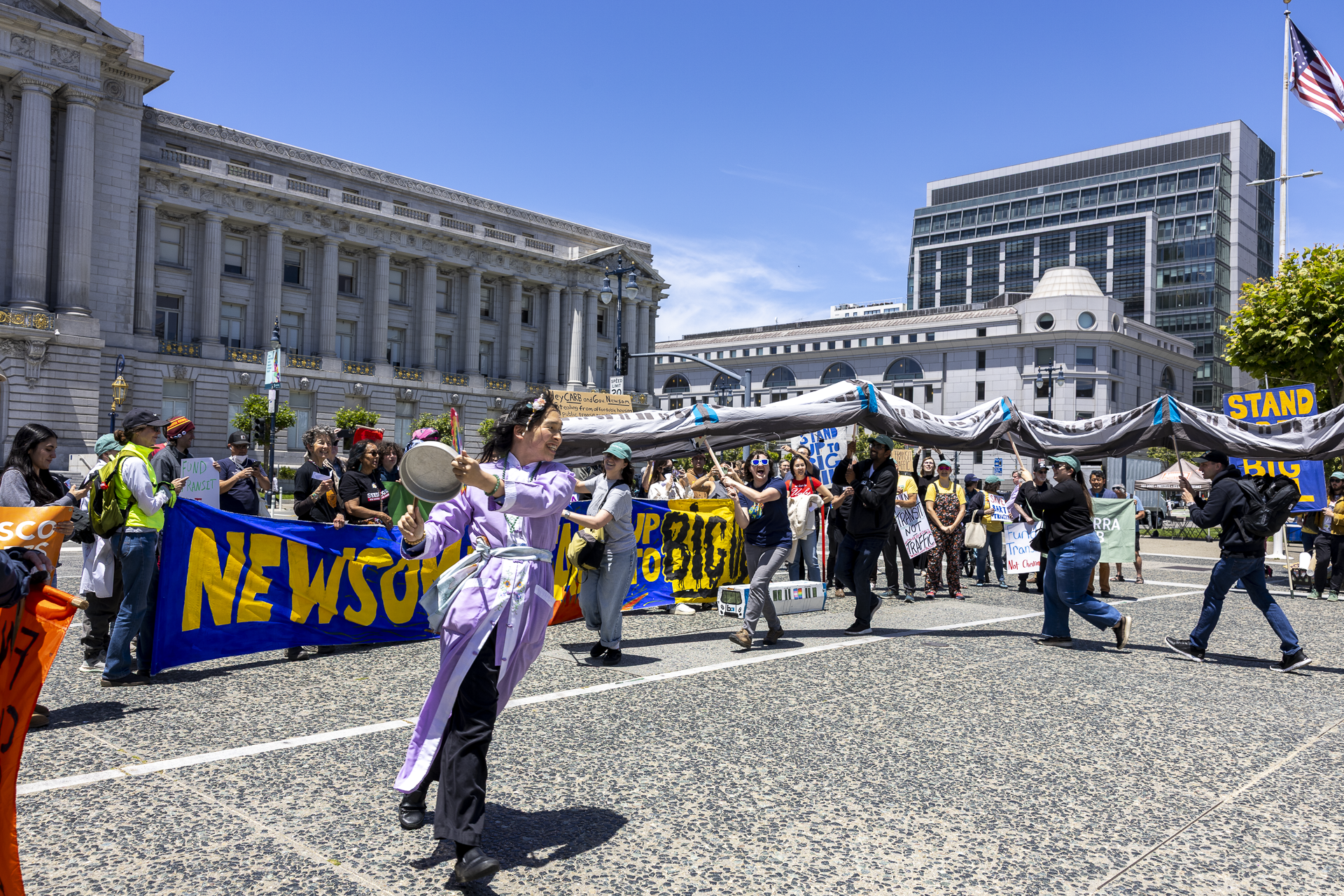



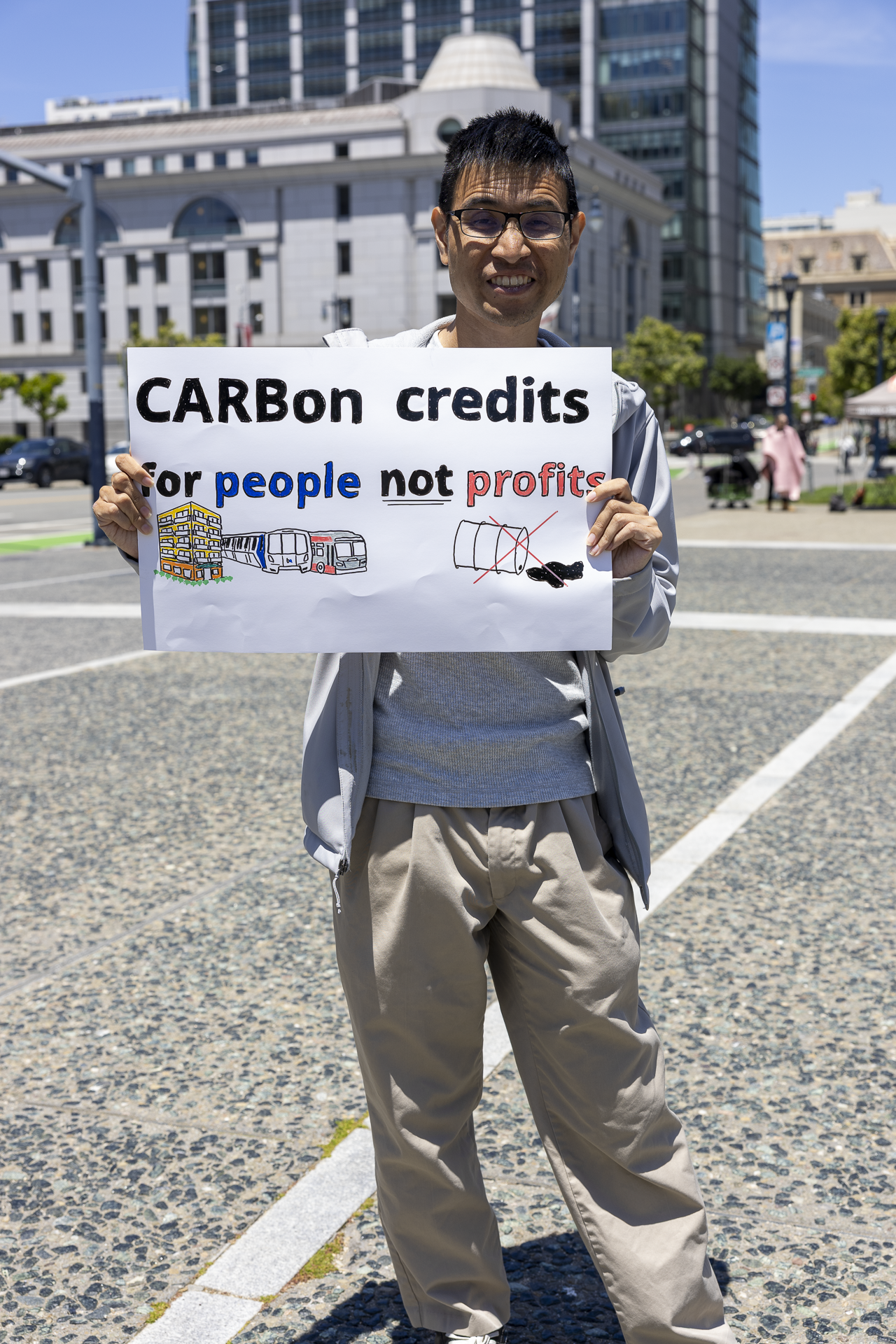
The next day, over 150 transit riders, environmental justice advocates, affordable housing advocates, air districts, transit agencies, environmental agencies, regional planning agencies, counties, California’s largest cities, and farmers spoke out against the proposal across hours of public comment at the Air Resources Board.
And on Friday, Air Resources Board Member and Sonoma County Supervisor Lynda Hopkins spoke powerfully in opposition to this – which we encourage you to watch here – before she and
Board Members Diane Takvorianan, Gladys Limón, and Paula Stigler-Gradados voted against the proposal.
The fight continues
There is still time for the state legislature to step in and make this right.
Last year, we worked with our allies to get the “Cap and Invest” program extended, landing with a deal to keep funding transit, affordable housing, clean air and water. Our legislative champions are saying “a deal is a deal.” Please call to support legislators fixing the massive gap in funding that this decision by CARB introduces for California transit.
We are also working with partners to organize a rally and lobby day in Sacramento telling our legislators to step up for transit, and not big oil. Stay tuned for more information on that.
Sign up here to get our blog posts sent directly to your email.